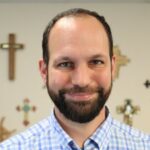
In this episode of the Bible in a Year podcast, hosts Kathryn Schifferdecker and Kristofer Phan Coffman welcome back Old Testament scholar Dr. Cory Driver to dig into the Book of Micah. This short but powerful minor prophet speaks into the eighth century BCE, addressing both the Northern and Southern Kingdoms as Assyria threatens on the horizon. Dr. Driver explains why prophecy isn’t primarily about predicting the future but about communicating how God feels, and he shows how Micah brings that message home with striking specificity, naming small towns and villages to make clear that everyone, not just the powerful, is caught up in the story.
The conversation moves through the “Bible Bingo” terms of nations, place, injustice, hope, and repetition, then lands on the courtroom scene of Micah 6, where God calls creation itself as a witness against the people’s injustice. That scene sets up the well-known words of Micah 6:8, to do justice, love kindness, and walk humbly with God, which Dr. Driver unpacks in its full context. He also shares a personal story about how Micah 7:5-6 unsettled and ultimately shaped his own faith, offering listeners a moving picture of how this ancient text still speaks to real life today.
Bible Bingo
- Nations
- Place
- Injustice
- Hope
- Repetition
7-Word Summary
- Without a strong foundation, the house crumbles.
Scripture References
- Micah 1 (place names and wordplay)
- Micah 3:11-12 (quoted verbatim in Jeremiah 36:18)
- Micah 4:1-2 (vision of nations streaming to Zion)
- Micah 5-6 (idolatry, militarism, injustice; God’s courtroom case)
- Micah 6:1-8 (the famous “do justice, love kindness, walk humbly” passage)
- Micah 7:5-6 (on untrustworthy family/society)
- Jeremiah 36:18 (quotes Micah 3:11-12)